



 Richard
 What Is a DWI in Texas?
Under Texas Penal Code Section 49.04, you can be charged with Driving While Intoxicated if you operate a motor vehicle in a public place while intoxicated. Texas defines intoxication in two ways:
- Having a blood alcohol concentration (BAC) of 0.08 or higher
- Not having the normal use of mental or physical faculties due to alcohol, drugs, or other substances
This dual definition is crucial because you can be arrested for DWI even if your BAC is below 0.08 if an officer believes your faculties are impaired. This is where alcohol odor often becomes a factor in building the state’s case.
Texas DWI Penalties Overview
| Offense | Jail Time | Fine | License Suspension |
|---|---|---|---|
| First DWI | 3-180 days | Up to $2,000 | Up to 1 year |
| Second DWI | 30 days-1 year | Up to $4,000 | Up to 2 years |
| Third DWI (Felony) | 2-10 years | Up to $10,000 | Up to 2 years |
Reasonable Suspicion vs Probable Cause
Understanding the legal standards police must meet is essential to knowing your rights during a DWI stop.
Reasonable suspicion is the lower standard required for an officer to pull you over. This might include:
- Swerving between lanes
- Running a red light
- Speeding excessively
- Equipment violations
Probable cause is the higher standard needed to arrest you for DWI. Officers must have specific, articulable facts suggesting you’re intoxicated.
What Counts as Probable Cause in a DWI Stop
Officers typically look for multiple indicators to establish probable cause:
Physical signs:
- Bloodshot or watery eyes
- Slurred speech
- Unsteady balance or coordination
- Strong odor of alcohol
Behavioral indicators:
- Difficulty following instructions
- Confusion about location or time
- Admitting to drinking
- Open containers in the vehicle
Performance on tests:
- Failed field sobriety tests
- Poor performance on standardized tests
- Refusal to cooperate with testing
💡 Important: The odor of alcohol alone is rarely sufficient for an arrest without additional observable signs of impairment.
Can Police Arrest You Based Solely on Alcohol Odor?
No – the smell of alcohol alone won’t justify a DWI arrest under Texas law. However, alcohol odor serves as crucial evidence that officers use to build their case for probable cause.
How Officers Use Alcohol Odor in DWI Investigations
When an officer detects alcohol on your breath or in your vehicle, it triggers a more thorough investigation. The odor suggests recent alcohol consumption and prompts officers to look for other signs of intoxication.
From our case files, alcohol odor often plays a role in initial traffic stops, but successful challenges frequently focus on the lack of additional impairment evidence beyond just the smell of alcohol.
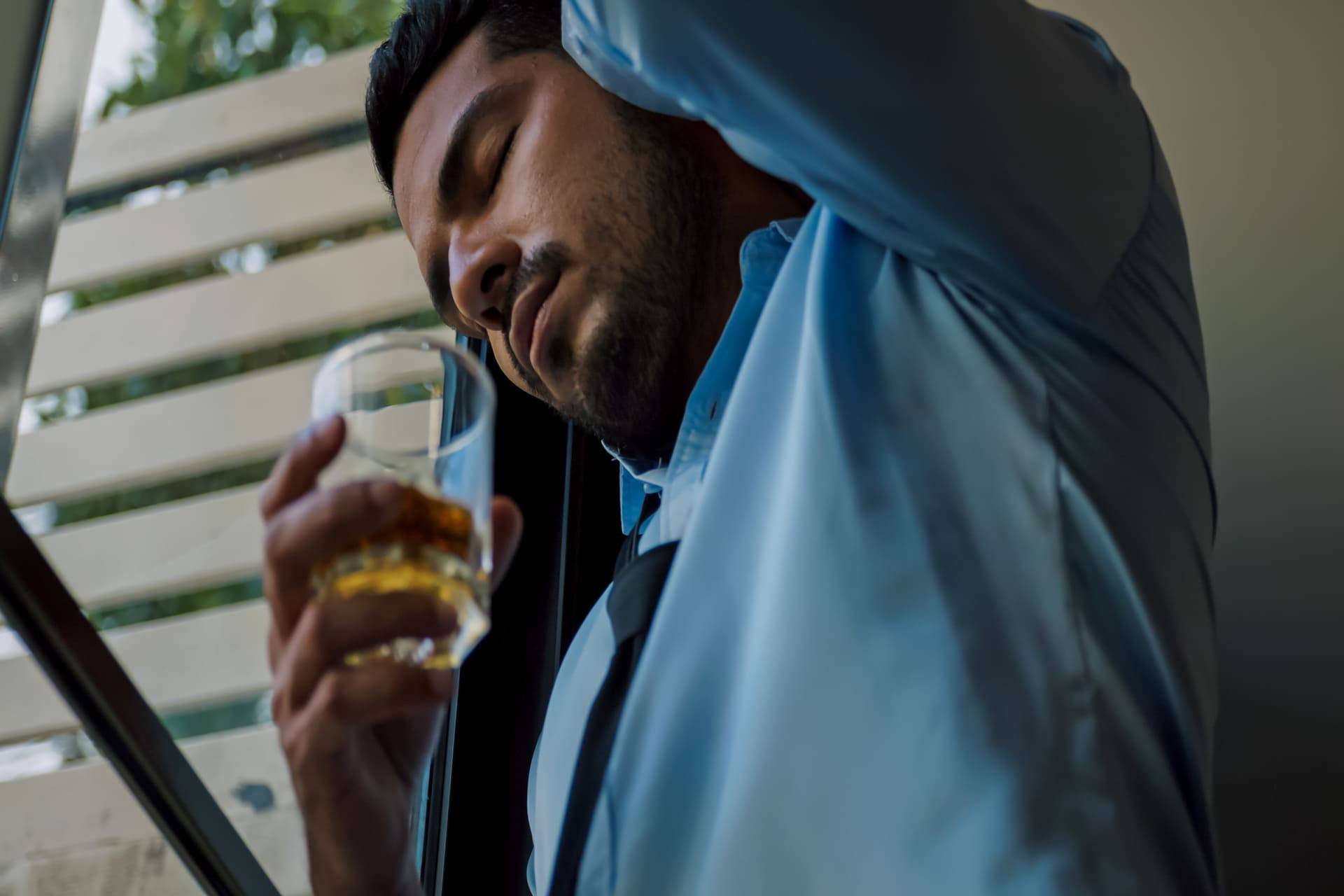
Why Officers Pay Attention to Alcohol Odor
Law enforcement training emphasizes alcohol odor as an initial indicator that warrants further investigation. However, our experience shows that alcohol odor without additional impairment signs often leads to weak cases that can be successfully challenged in court.
Texas Case Law and Probable Cause Context
Texas courts have consistently held that multiple factors must typically be present to establish probable cause for DWI arrest. The Court of Criminal Appeals has emphasized that officers must point to specific, objective signs of intoxication beyond just alcohol odor.
In practice, this means that while alcohol odor can contribute to probable cause, it must be accompanied by clear signs of impairment such as failed field sobriety tests, erratic driving, or obvious physical symptoms.
Field Sobriety Tests and BAC Testing
After detecting alcohol odor, officers typically request field sobriety tests. Understanding your rights regarding these tests is crucial:
Your Rights During Field Sobriety Testing
You have the right to refuse field sobriety tests in Texas. However, refusal may be noted by the officer and used as evidence. Our analysis shows that polite refusal often works better than poor performance on these tests.
Common field sobriety tests include:
- Horizontal Gaze Nystagmus (eye test)
- Walk-and-turn test
- One-leg stand test
Texas Implied Consent Law
While you can refuse field sobriety tests, Texas implied consent laws require you to submit to breath or blood testing if arrested. Refusal results in automatic license suspension:
| First Refusal | Subsequent Refusal |
|---|---|
| 180-day suspension | 2-year suspension |
Arrest Regardless of BAC Level
You can still be arrested even with a BAC below 0.08 if officers believe you’re impaired. We’ve successfully defended clients with low BAC readings by challenging the officer’s observations and the reliability of their impairment assessment.
Your Rights During a Traffic Stop
Knowing your rights can make a significant difference in the outcome of your case:
What You Should Do
Stay calm and polite – hostile behavior can be used as evidence of impairment Provide license, registration, and insurance when requested Exercise your right to remain silent beyond basic identification Avoid admitting to drinking or answering detailed questions about your evening
What You Should Avoid
- Don’t volunteer information about drinking
- Don’t consent to vehicle searches
- Don’t argue with the officer
- Don’t attempt to perform tests if you have physical limitations
Remember: You have the right to ask for an attorney at any point during the process.
If You’re Arrested After an Odor-Based Stop
If you find yourself arrested for DWI after an officer detected alcohol odor, take these immediate steps:
Protect Your Rights
- Request an attorney immediately – this is your most important right
- Document everything you remember about the stop and arrest
- Don’t discuss your case with anyone except your attorney
- Collect officer information and any witness contact details
Contact Legal Representation
DWI cases involving questionable probable cause can often be successfully defended. If you’ve been arrested for DWI in the Dallas area after officers detected alcohol odor, contact our experienced legal team. We have successfully handled over 6,000 criminal cases, with more than 1,000 DWI dismissals in the DFW area.
Call (972) 528-0116 for immediate legal assistance, or contact our Dallas DWI lawyers to discuss your case.
Frequently Asked Questions
Can smelling of alcohol lead to a DWI arrest in Texas?
While alcohol odor can contribute to probable cause, it’s typically not sufficient alone for a DWI arrest. Officers usually need additional signs of impairment such as failed field sobriety tests, erratic driving, or obvious physical symptoms.
Is probable cause required for a DWI arrest?
Yes, Texas law requires officers to establish probable cause before making a DWI arrest. This means they must have specific, articulable facts suggesting you’re intoxicated beyond just the smell of alcohol.
Can you refuse field sobriety tests in Texas?
You have the right to refuse field sobriety tests in Texas. However, refusal may be noted by the officer and potentially used as evidence. Consider consulting with an attorney about the best approach for your specific situation.
Can you be arrested even if your BAC is under 0.08?
Yes, Texas law allows for DWI arrests even with BAC below 0.08 if officers believe you don’t have normal use of your mental or physical faculties due to alcohol or other substances.
What should I do if stopped and the officer smells alcohol?
Remain calm and polite, provide required documents, exercise your right to remain silent, and avoid admitting to drinking. If arrested, immediately request an attorney and don’t discuss your case without legal representation.
