Principal Office
15110 Dallas Pkwy #400
Dallas, TX 75248
(972) 233-5700
15110 Dallas Pkwy #400
Dallas, TX 75248
(972) 233-5700
15110 Dallas Pkwy #400
Dallas, TX 75248
972-233-5700
Years Defending Texans
Cases Dismissed
Criminal Cases Handled
Counties Served Across Texas
Available | Serving All of Texas
When a Medicaid fraud investigation shows up in Fort Worth, it feels sudden, confusing, and already serious even before any charges are filed.
Fort Worth Medicaid Fraud Lawyers at the Law Offices of Richard C. McConathy defend healthcare professionals, business owners, and individuals facing Medicaid fraud investigations in Fort Worth and throughout Tarrant County.
Many Medicaid fraud cases begin long before an arrest. A subpoena, audit, or request for records seems routine, but those actions signal a larger investigation.
A mistake during this stage, such as speaking with investigators without legal counsel or providing incomplete records, creates unnecessary challenges and increases financial and criminal exposure.
You do not have to face this process alone. Contact the Law Offices of Richard C. McConathy 24/7 to discuss your situation with a defense attorney, or complete our online contact form to begin protecting your future.
Medicaid fraud defense in Fort Worth requires immediate legal response because investigations begin before charges are filed.
The Law Offices of Richard C. McConathy have over 35 years of experience in Texas courts defending healthcare providers, billing staff, and business owners facing Medicaid fraud investigations across Tarrant County and federal courts in the Northern District of Texas.
We provide 24/7 availability and count on a record of more than 6,000 cases represented and over 1,000 case dismissals.
We respond immediately when Texas Health and Human Services or federal investigators begin reviewing billing activity. Early legal action can influence how records are interpreted and how the investigation develops in Fort Worth.
We handle allegations involving Medicaid billing, false claims, and audit disputes tied to Texas provider systems and federal enforcement agencies operating in North Texas.
Every case is prepared as if it will proceed in Tarrant County courts or federal court in Fort Worth, strengthening leverage during every stage of the case.
Medicaid fraud in Fort Worth is the knowing submission of false, misleading, or unsupported claims to receive Medicaid funds. These cases are prosecuted under both Texas law and federal statutes, depending on how the alleged conduct is classified.
At the state level, Texas enforces Medicaid fraud through the Texas Human Resources Code and investigations conducted by the Texas Medicaid Fraud Control Unit (MFCU).
At the federal level, cases involve the False Claims Act and healthcare fraud statutes enforced in the Northern District of Texas federal court system.
Medicaid fraud cases in Fort Worth may be charged or investigated under:
These laws allow prosecutors in Fort Worth and federal authorities to pursue cases aggressively, even when billing issues involve documentation errors or coding disputes.
Medicaid fraud cases in Texas usually fall into a few recurring categories based on billing behavior, documentation practices, and claim submission patterns. These categories determine how investigators build their case in Fort Worth and across Tarrant County.
Upcoding occurs when a provider bills Medicaid for a higher level of service than was actually performed. Texas investigators compare billing codes with medical records to identify inconsistencies.
This occurs when claims are submitted for treatments, appointments, or procedures that did not occur. These allegations rely heavily on patient records and scheduling data.
Duplicate billing involves submitting multiple claims for the same service, either intentionally or through billing system errors. Texas auditors identify this through automated claim comparison systems.
Some Medicaid fraud investigations involve allegations of payments or incentives in exchange for patient referrals. These cases involve broader federal scrutiny in addition to Texas enforcement.
Incomplete or altered medical records can trigger fraud allegations, especially when investigators believe documentation does not support billing submissions.
Medicaid fraud investigations in Fort Worth target anyone involved in billing, coding, or healthcare administration, not just doctors.
Texas and federal investigators review entire organizations rather than isolated individuals.
Common targets include healthcare providers, clinic owners, billing companies, home health agencies, and administrative staff responsible for coding and claim submission. Even small documentation inconsistencies can lead to broader scrutiny once a case begins.
Investigations in Fort Worth involve coordination between the Texas MFCU, federal prosecutors, and auditing teams from Texas Health and Human Services.
Most Medicaid fraud cases in Fort Worth begin with data review systems or administrative audits long before any arrest or formal charge. These early stages are critical because they shape how the entire case is built.
Investigations begin through Texas Health and Human Services audits, whistleblower reports, federal data analytics identifying billing anomalies, or subpoenas requesting patient and billing records.
Once triggered, cases escalate into grand jury investigations in federal court or formal state criminal proceedings in Tarrant County.
Fort Worth providers are surprised to learn that investigators have already been reviewing months or even years of billing activity before any direct contact occurs.
Once a Medicaid fraud investigation begins in Fort Worth, the case typically moves through structured stages that increase in severity. Each stage gives prosecutors more access to records and potential witnesses.
Investigators interview staff, request full medical record sets, analyze billing patterns across time, and compare provider activity to regional benchmarks. In more serious cases, federal authorities pursue search warrants or expand the investigation into related entities.
By the time charges are filed in Tarrant County or federal court, investigators often already have a detailed narrative built from documentation and interviews.
Medicaid fraud cases in Fort Worth are built through data, documents, and timelines rather than a single event or accusation.
Prosecutors in Texas and federal courts construct these cases by connecting billing records, communications, and compliance gaps over time to form a narrative of intent.
In many Northern District of Texas cases, investigators focus on whether patterns in billing activity suggest systematic conduct rather than isolated mistakes. That distinction determines whether a matter stays administrative or becomes criminal.
| Evidence Type | What Investigators Look For | Why It Matters In Texas Cases |
| Billing Pattern Data | Repeated coding trends across months or years | Used to argue intent rather than error |
| Provider Communications | Emails, notes, and internal messaging | Used to show knowledge of billing practices |
| Audit Comparisons | Differences between submitted claims and records | Often triggers escalation to fraud review |
| Staff Testimony | Statements from billing or clinical employees | Can influence how prosecutors interpret intent |
| Financial Records | Payment flows and reimbursement history | Helps identify alleged improper gain |
In Texas, Medicaid fraud investigations are often triggered by state-level compliance systems before any law enforcement contact occurs.
Agencies like the Texas Health and Human Services Commission and the Texas Medicaid Fraud Control Unit use internal flagging systems designed to identify billing behavior that deviates from expected norms.
Unlike random audits, these triggers are often algorithmic or complaint-driven, meaning a case can begin without any human accusation. Once flagged, records can be escalated for deeper review in Fort Worth or forwarded to federal partners depending on severity.
These triggers do not automatically mean fraud occurred, but they often lead to deeper investigations in Tarrant County or federal Fort Worth court systems.
Medicaid fraud cases in Fort Worth often turn on one core question: whether the government can prove intent rather than mistake. Under Texas and federal law, billing errors alone are not always enough to establish criminal liability.
Prosecutors must often show that the provider knowingly submitted false claims or acted with reckless disregard for accuracy. This becomes especially complex in healthcare settings where coding systems, patient complexity, and administrative delegation all affect billing outcomes.
Intent is not usually proven through a single document. Instead, it is inferred through context, including billing consistency, internal communication patterns, and response to audits or corrections.
In Fort Worth Medicaid fraud cases, this analysis often becomes the central battleground between prosecution theories and defense interpretation of the same data.
A Medicaid fraud defense in Fort Worth focuses on intent, documentation accuracy, and whether billing discrepancies actually rise to criminal conduct. Not all billing issues meet the legal threshold for fraud under Texas or federal law.
Defense strategies often include reconstruction of billing records, independent review of medical documentation, analysis of audit procedures, and expert evaluation of coding practices. Attorneys also challenge whether investigators correctly interpreted billing standards or overstated inconsistencies.
In many cases, early intervention can help correct misunderstandings before they become formal charges.
Medicaid fraud investigations in Fort Worth rely on data comparisons, statistical models, and broad document demands to identify billing anomalies.
Texas and federal investigators use statistical models and peer comparisons to identify billing anomalies.
Authorities may request broad documentation sets early in the investigation, conduct interviews before counsel is retained, and compare providers against regional billing averages.
These methods are designed to identify patterns, but they can also misinterpret legitimate medical billing variations.
Defense counsel helps ensure responses are accurate, complete, and legally protected.
They defend individuals and providers facing Medicaid fraud allegations in Texas state courts and federal investigations in Fort Worth.
Yes, investigations begin months before charges through audits, subpoenas, or data analysis.
Cases may involve Texas Human Resources Code §36.002, Texas Penal Code §35A.02, and federal healthcare fraud statutes.
They can lead to criminal charges, federal prosecution, financial penalties, and professional licensing consequences depending on the facts of the case.
Early representation can help control communication with investigators and protect records before charges are filed.
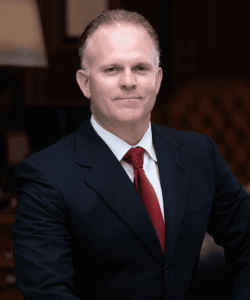
Medicaid fraud investigations in Fort Worth escalate quickly, and early defense can shape the direction of the case. The Law Offices of Richard C. McConathy provides immediate representation for providers and individuals facing allegations in Texas and federal courts.
We are available 24/7, have represented more than 6,000 criminal cases, and have achieved over 1,000 case dismissals. We also have more than 35 years of courtroom experience.
Call the Law Offices of Richard C. McConathy or submit our online contact form for immediate assistance.
3710 Rawlins St Ste 1408, Dallas, TX 75219
Mon. 9 AM – 5 PM
Tue. 9 AM – 5 PM
Wed. 9 AM – 5 PM
Thu. 9 AM – 5 PM
Fri. 9 AM – 5 PM
Sat. – Closed
Sun. – Closed
The information provided on this site is for general information purposes only. The information you obtain at this website is not, nor is it intended to be, legal advice. You should consult an attorney for advice regarding your own individual situation. We invite you to contact us and welcome your calls, letters and electronic mail. Contact Us today for more information.
The hiring of a Dallas-Fort Worth criminal defense attorney in Texas is an important decision that should not be based solely upon advertisements, informational videos, or an internet website. Before you decide which attorney to hire for your case, ask us to send you free additional written information about our qualifications and experience.
Sitemap | Privacy Policy | Terms of Service
Copyright © 2021-2024 Law Offices of Richard C. McConathy
LAW FIRM MARKETING BY WEBRIS
Whether you're facing a felony charge or fighting a traffic ticket, every case deserves serious attention. Get an experienced defense team in your corner now.