Principal Office
15110 Dallas Pkwy #400
Dallas, TX 75248
(972) 233-5700
15110 Dallas Pkwy #400
Dallas, TX 75248
(972) 233-5700

Years Defending Texans
Cases Dismissed
Criminal Cases Handled
Counties Served Across Texas
Available | Serving All of Texas
After an arrest in Ellis County, you’ll be transported to the Wayne McCollum Detention Center at 300 South Jackson Street in Waxahachie for booking and processing. The jail operates 24/7 and handles all adult arrests from Ellis County Sheriff’s deputies and municipal police agencies throughout the county.
During booking, detention staff will collect your personal information, photograph and fingerprint you, inventory your property, and conduct a medical screening. You’ll remain in an open waiting area under direct supervision rather than immediately being placed in a cell, unless your behavior requires traditional confinement. The jail uses a direct supervision philosophy where officers maintain constant presence in housing units.
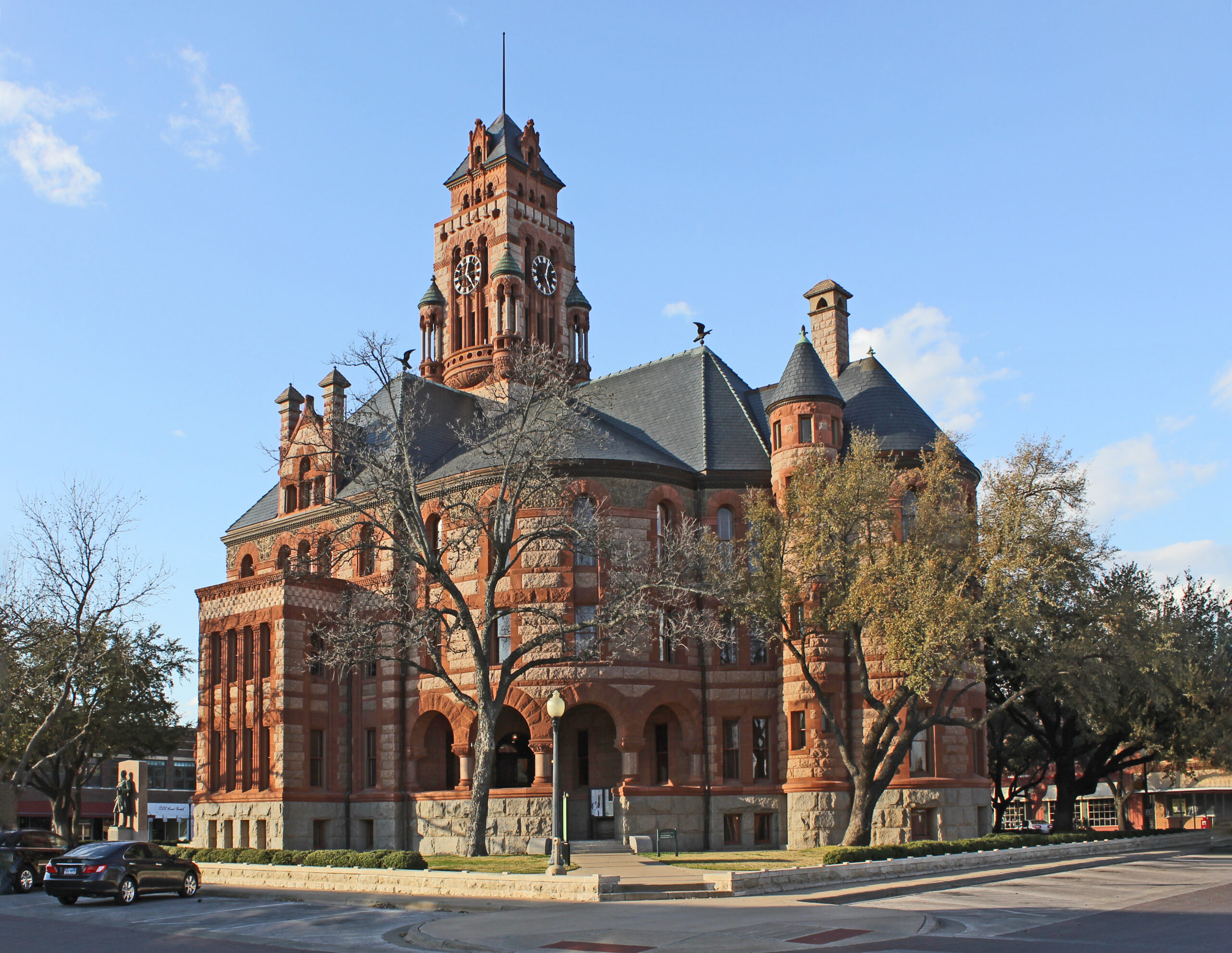
Within 48 hours of arrest, you’ll appear before a magistrate judge for your initial appearance. The magistrate will inform you of the charges against you, read your constitutional rights, and set bond conditions. This typically occurs at the historic courthouse complex in downtown Waxahachie.
Criminal cases then proceed through Ellis County courts based on the charge level:
Parking for court appearances:
The newer courthouse at 109 S. Jackson has a free parking garage adjacent to the building with elevators. During busy court days, street parking around the historic Waxahachie downtown square can be difficult to find, so allow extra time. The courthouse operates Monday through Friday, 8:00 AM to 4:30 PM.
Understanding this process helps, but having an attorney who knows these courts, prosecutors, and procedures makes the critical difference in your case outcome.
The hours following an arrest are critical to your defense. What you say and do during this window can determine whether charges get dismissed, reduced, or result in conviction.
DWI cases have an urgent separate deadline. If you were arrested for DWI in Ellis County, Texas law gives you only 15 days from the date of arrest to request an Administrative License Revocation (ALR) hearing with the Texas Department of Public Safety. According to DPS, late requests are automatically denied, meaning your license will be suspended by default if you miss this deadline.
The Law Offices of Richard C. McConathy handles the full spectrum of criminal charges in Ellis County. Our experience spans over 6,000 criminal cases, with more than 1,000 dismissals secured throughout the Dallas-Fort Worth area.
Driving while intoxicated charges threaten your license, your freedom, and your livelihood. We defend against first-offense DWI, repeat DWI charges, felony DWI, high-BAC cases, underage DUI, drug-related intoxication, intoxication assault, and intoxication manslaughter.
Drug possession, distribution, trafficking, and manufacturing charges carry severe penalties in Texas. We defend clients facing marijuana possession, controlled substance charges, prescription drug offenses, and drug paraphernalia cases. Whether it’s a Class C misdemeanor or a first-degree felony, we challenge illegal searches, unlawful stops, and chain-of-custody issues.
Assault cases range from Class C misdemeanor assault by contact to first-degree felony aggravated assault. We represent clients accused of simple assault, domestic violence assault, family violence, aggravated assault with a deadly weapon, and assault causing bodily injury. These charges often hinge on conflicting witness statements, unclear evidence, and emotional circumstances—all areas where skilled defense makes a difference.
Theft charges in Texas are classified by the value of property allegedly taken, ranging from Class C misdemeanors to first-degree felonies. We defend against shoplifting accusations, burglary charges, robbery, criminal mischief, and organized retail theft. Many theft cases involve misidentification, lack of intent, or civil disputes mischaracterized as criminal matters.
A motion to revoke probation can send you to jail or prison to serve the original sentence that was suspended. We defend clients facing probation violation allegations in Ellis County, whether for technical violations, new criminal charges, or failure to meet conditions. Protecting probation often requires immediate action and strategic negotiation with probation officers and prosecutors.
DWI charges account for a significant portion of criminal arrests in Ellis County. Unlike many criminal defense firms that handle DWI as a side practice, our team has dedicated substantial focus to drunk driving defense, securing hundreds of favorable outcomes including dismissals, not guilty verdicts, and charge reductions.
Understanding the dual-track process is vital. A DWI arrest in Texas triggers two separate proceedings: the criminal case and the administrative driver’s license case.
The criminal case moves through Ellis County courts—either County Court at Law No. 2 or No. 3 (located at 109 S. Jackson Street, third floor) for misdemeanor DWI or district court for felony DWI. After your initial appearance before the magistrate judge, you’ll be arraigned in the appropriate court. During arraignment, the judge formally reads the charges, asks how you plead (guilty, not guilty, or no contest), and sets conditions for pretrial release if you’ve already made bond.
Ellis County typically holds arraignments during regular court hours (Monday-Friday, 8:00 AM – 4:30 PM). Your attorney can appear on your behalf for arraignment in many cases, so you won’t necessarily need to take time off work. After arraignment, the case proceeds through pretrial hearings, discovery (exchange of evidence), motion hearings, and potentially trial. This process includes fines, jail time, probation, community service, and court-ordered DWI education programs if convicted.
The license suspension case is handled administratively by the Texas Department of Public Safety through the ALR process. This is completely separate from the criminal case. Even if the criminal charge is eventually dismissed, your license can still be suspended unless you request an ALR hearing within 15 days of arrest and win that hearing.
The ALR hearing deadline is absolute. Texas law doesn’t provide exceptions for missing the 15-day deadline. If you fail to request the hearing in time, DPS will suspend your license automatically—typically 40 days after arrest. For a first offense, that suspension lasts 90 days. For subsequent offenses or breath test refusals, suspensions can last 180 days or longer.
We handle both the criminal case and the ALR hearing. By requesting the ALR hearing promptly, we gain additional time before any suspension takes effect and receive discovery from DPS that often helps the criminal defense.
According to the Texas Department of Transportation, DWI penalties escalate based on prior convictions, BAC level, and aggravating factors. Texas law defines intoxication as having a blood alcohol concentration (BAC) of 0.08 or higher for most drivers, 0.04 for commercial drivers, and notes that impairment can support a DWI conviction even below the legal limit.
| Offense Level | Classification | Fine | Jail Time | License Suspension | Additional Penalties |
|---|---|---|---|---|---|
| First DWI | Class B Misdemeanor | Up to $2,000 | 72 hours to 180 days | 90 days to 1 year | DWI education, possible ignition interlock |
| First DWI (BAC ≥0.15) | Class A Misdemeanor | Up to $4,000 | Up to 1 year | 90 days to 1 year | Enhanced penalties, ignition interlock likely |
| Second DWI | Class A Misdemeanor | Up to $4,000 | 30 days to 1 year | 180 days to 2 years | Ignition interlock device required |
| Third DWI | Third-Degree Felony | Up to $10,000 | 2 to 10 years prison | 180 days to 2 years | Permanent criminal record, ignition interlock |
| DWI with Child Passenger | State Jail Felony | Up to $10,000 | 180 days to 2 years | 90 days to 1 year | Enhanced penalties for endangering a child |
These are maximum statutory penalties. Actual sentences depend on criminal history, case facts, and quality of legal defense.
Our Ellis County DWI defense practice covers every category of intoxicated driving charge:
First-Offense DWI
Many first-time offenders assume they should just plead guilty and move on. That’s a mistake. We’ve secured dismissals and not guilty verdicts in hundreds of first-offense cases by challenging stop legality, field sobriety test administration, and breath or blood test accuracy.
Second or Repeat DWI
Subsequent DWI charges carry mandatory jail time and longer license suspensions. We’ve successfully reduced second-offense DWI charges to first-offense misdemeanors and secured probation instead of jail in numerous cases.
Felony DWI
A third or subsequent DWI is a third-degree felony punishable by 2 to 10 years in prison. We’ve handled felony DWI cases resulting in charge reductions, dismissals, and favorable plea agreements that kept clients out of prison.
High-BAC DWI
Breath or blood test results showing BAC of 0.15 or higher increase penalties and make cases more challenging. We challenge the accuracy of chemical testing, examine calibration records, and question whether rising BAC may have caused inflated results.
Underage DUI / DWI-Related Charges
Texas has zero-tolerance laws for drivers under 21. We defend underage clients against DUI charges, Minor in Possession, and zero-tolerance violations that can affect college admissions and future opportunities.
Drug-Related DWI
Intoxication by drugs—whether illegal substances, prescription medications, or over-the-counter drugs—can result in DWI charges. These cases often involve blood testing and require expert testimony to challenge.
Intoxication Assault
When a DWI accident causes serious bodily injury to another person, prosecutors charge intoxication assault, a third-degree felony with 2 to 10 years in prison. We’ve secured dismissals in intoxication assault cases by challenging intoxication evidence and causation.
Intoxication Manslaughter
If a DWI accident results in death, the charge is intoxication manslaughter, a second-degree felony punishable by 2 to 20 years in prison. These cases require immediate, aggressive defense and careful investigation of all evidence.
No two DWI cases are identical. The defense strategy depends entirely on the specific facts, evidence, and circumstances of your arrest. Common defense approaches include:
Unlawful Traffic Stop
Police must have reasonable suspicion of criminal activity or a traffic violation to stop your vehicle. If the stop was unlawful, all evidence obtained afterward can be suppressed, often resulting in dismissal. We’ve won cases by proving officers lacked justification for the initial stop.
Common DWI stop locations in Ellis County include I-35E (especially near the Waxahachie exits), Highway 287 Business through downtown Waxahachie, FM 66 between Waxahachie and Midlothian, and the entertainment districts in Ennis and Red Oak. Many stops occur near popular restaurants and bars around the historic Waxahachie courthouse square.
Lack of Probable Cause for Arrest
Officers need probable cause to believe you were driving while intoxicated before making an arrest. Vague observations like “bloodshot eyes” or “odor of alcohol” may not meet this standard, especially when other evidence contradicts intoxication.
Improper Field Sobriety Testing
The National Highway Traffic Safety Administration (NHTSA) has specific protocols for administering standardized field sobriety tests. Officers frequently deviate from these standards, conduct tests on unsuitable surfaces, or fail to account for medical conditions, making test results unreliable.
Breath Test Machine Errors
Breath testing devices require regular calibration, maintenance, and proper operation. We examine maintenance logs, calibration records, and operator certifications. Mouth alcohol, radio frequency interference, and medical conditions can all cause false high readings.
Blood Test Problems
Blood testing requires proper collection, preservation, storage, and analysis. We challenge blood test results by examining chain of custody, fermentation in stored samples, contamination issues, and lab analyst qualifications.
Rising Blood Alcohol
Alcohol takes time to absorb into your bloodstream. Your BAC may have been below the legal limit while driving but rose above 0.08 by the time testing occurred 30 minutes to two hours later. This “rising BAC” defense has resulted in dismissals and not guilty verdicts in our cases.
Medical Explanations
Diabetes, acid reflux, dental work, and certain diets can cause false positive breath test results. Neurological conditions, injuries, and physical impairments can cause poor performance on field sobriety tests that has nothing to do with intoxication.
Constitutional Rights Violations
If police violated your Fourth Amendment rights against unreasonable search and seizure or Fifth Amendment rights against self-incrimination, we file motions to suppress evidence. We’ve won cases where officers coerced statements or conducted searches without consent or warrants.
Chain of Custody Issues
Blood and breath samples must maintain a documented chain of custody from collection through testing. Gaps or irregularities in this chain create reasonable doubt about whether the tested sample actually came from you.
Your actions immediately after arrest can significantly impact your case outcome. Follow these steps:
We defend criminal charges and DWI cases throughout Ellis County, Texas—a rapidly growing county of over 190,000 residents located just south of Dallas County:
We also serve Alma, Bardwell, Avalon, Forreston, Oak Leaf, Pecan Hill, Venus, Garrett, and Glenn Heights.
In addition to Ellis County, our firm represents clients facing criminal charges throughout North Texas:
We also handle criminal cases in Denton County, Collin County, Rockwall County, Parker County, Kaufman County, Hunt County, Hood County, Grayson County, Cooke County, Wise County, and Johnson County.
Time is not on your side after an arrest. The 15-day ALR deadline for DWI cases doesn’t wait. Evidence disappears. Witnesses’ memories fade. Prosecutors at the Ellis County DA’s office build their case while you delay.
Whether you were arrested by Ellis County Sheriff’s deputies, Waxahachie Police, Ennis Police, Midlothian Police, or any other law enforcement agency in the county, you need experienced legal representation immediately.
If you or a loved one is currently being held at the Wayne McCollum Detention Center, call us immediately. We can work to secure reasonable bond, challenge excessive bail amounts, and begin building your defense before your first court appearance.
Your consultation is confidential. We’ll review your case, explain your options, and give you an honest assessment of what to expect. There’s no obligation and no pressure—just straight answers from an experienced criminal defense attorney who knows the Ellis County courts.
Call (972) 528-0116 now or contact us online. Don’t leave your future to chance. Get an experienced Ellis County criminal defense and DWI attorney fighting for you from the Wayne McCollum Detention Center to the courtrooms at 109 S. Jackson Street.
Yes. Even a first-offense DWI carries up to 180 days in jail, up to $2,000 in fines, and license suspension up to one year according to Texas law. Additionally, you have only 15 days to request an ALR hearing to fight the automatic license suspension. An experienced DWI attorney can challenge the stop legality, field sobriety testing, and chemical test accuracy—often resulting in dismissal or reduction.
You have exactly 15 days from the date of your DWI arrest to request an ALR (Administrative License Revocation) hearing with the Texas Department of Public Safety. According to Texas DPS regulations, this deadline is absolute—late requests are denied without exception. If you miss this deadline, your license will be automatically suspended, typically beginning 40 days after arrest. Contact our office immediately after a DWI arrest so we can request the ALR hearing and protect your driving privileges.
Yes. Common grounds for dismissal include unlawful traffic stops, lack of probable cause, improper testing procedures, breath or blood test machine errors, constitutional violations, and missing evidence.
Reductions often occur when prosecutors recognize weaknesses in their case but aren’t willing to dismiss entirely. For example, DWI cases can be reduced to Obstruction of a Highway or Passageway, which carries lesser penalties and doesn’t trigger the same license consequences. Every case depends on its specific facts and the quality of defense representation.
Politely invoke your Fifth Amendment right to remain silent. Tell officers: “I want to speak with my attorney before answering any questions.” You are not required to explain yourself, provide alibis, or tell your “side of the story” to police.
Anything you say can and will be used against you in court—that warning is literal. Even seemingly innocent explanations can become the prosecution’s strongest evidence. Officers may suggest that cooperation will help you, but their job is to build a case for conviction, not to help you avoid charges. Exercise your right to silence and contact defense counsel immediately.
Misdemeanors are less serious offenses punishable by up to one year in county jail, while felonies are more serious crimes punishable by time in state prison. Texas classifies misdemeanors as Class A (up to one year in jail and/or up to $4,000 fine), Class B (up to 180 days in jail and/or up to $2,000 fine), and Class C (fine only, up to $500). Felonies range from state jail felonies (180 days to 2 years) to first-degree felonies (5 to 99 years or life in prison).
Felony convictions carry more severe long-term consequences including loss of voting rights, firearm ownership restrictions, and professional license revocations. The classification depends on the specific offense—for example, first-offense DWI is typically a Class B misdemeanor, while third-offense DWI is a third-degree felony.
Whether you're facing a felony charge or fighting a traffic ticket, every case deserves serious attention. Get an experienced defense team in your corner now.