Being arrested for driving while intoxicated (DWI) in Texas can be a frightening and confusing experience. The cost varies significantly based on several factors, and understanding these costs is key when facing charges that could impact your freedom, finances, and future.
This comprehensive guide breaks down the real costs of hiring a DWI lawyer in Texas, including:
- Attorney's experience and reputation
- Case complexity (first offense vs. felony DWI)
- Location within Texas (urban vs. rural areas)
- Flat fees vs. hourly rates
- Need for experts (toxicologists, accident reconstructionists)
Factors That Influence the Cost of a DWI Lawyer in Texas
Attorney's Experience and Reputation
The experience level and reputation of your defense attorney significantly impact their fee structure. At the Law Offices of Richard C. McConathy, our team brings over 35 years of experience specifically in DWI defense across North Texas. This specialized expertise delivers greater value through:- Deep knowledge of DWI laws and defenses
- Established relationships with local prosecutors and judges
- Proven track record of successful case outcomes
Case Complexity (First Offense vs. Felony DWI)
The complexity of your DWI case is a major factor in determining legal costs:| DWI Case Type | Typical Complexity Factors | Fee Implications |
|---|---|---|
| First Offense DWI | Standard blood or breath test, no accidents | Base-level fees |
| DWI with BAC >.15 | Enhanced penalties, specialized defense needed | Moderate increase |
| DWI with Child Passenger | Felony charges, potential CPS involvement | Substantial increase |
| Repeat Offender DWI | Prior conviction evidence, enhanced penalties | Significant increase |
| Intoxication Manslaughter | Complex forensic evidence, accident reconstruction | Highest fee category |
Location Within Texas (Urban vs Rural Areas)
Legal fees vary considerably across different regions of Texas:- Dallas-Fort Worth Metroplex: Higher rates but more experienced DWI specialists
- Suburban Counties (Plano, Collin, Denton, etc.): Eg A Plano DWI lawyer may have slightly lower rates than central Dallas
- Smaller Communities: Lower fees but fewer specialized DWI attorneys
Flat Fees vs. Hourly Rates
Most DWI defense cases at our firm are billed using an hourly rate, especially in complex or trial-ready situations. However, we may offer flat fee arrangements for certain phases of a case, depending on the circumstances.
Hourly billing
- Billed in regular intervals (typically by the tenth of an hour)
- Common in serious or multi-stage DWI cases
- Requires a retainer to begin representation
Flat fees (in some cases)
- Covers clearly defined stages of a case (e.g., arraignment or pretrial)
- Offers cost predictability
- May be split across case milestones
✔️ We’re always prepared to discuss the most appropriate billing structure for your case based on its complexity and legal needs.
Additional reading: DWI Lawyer Arlington
Need for Experts (Toxicologists, Accident Reconstructionists)
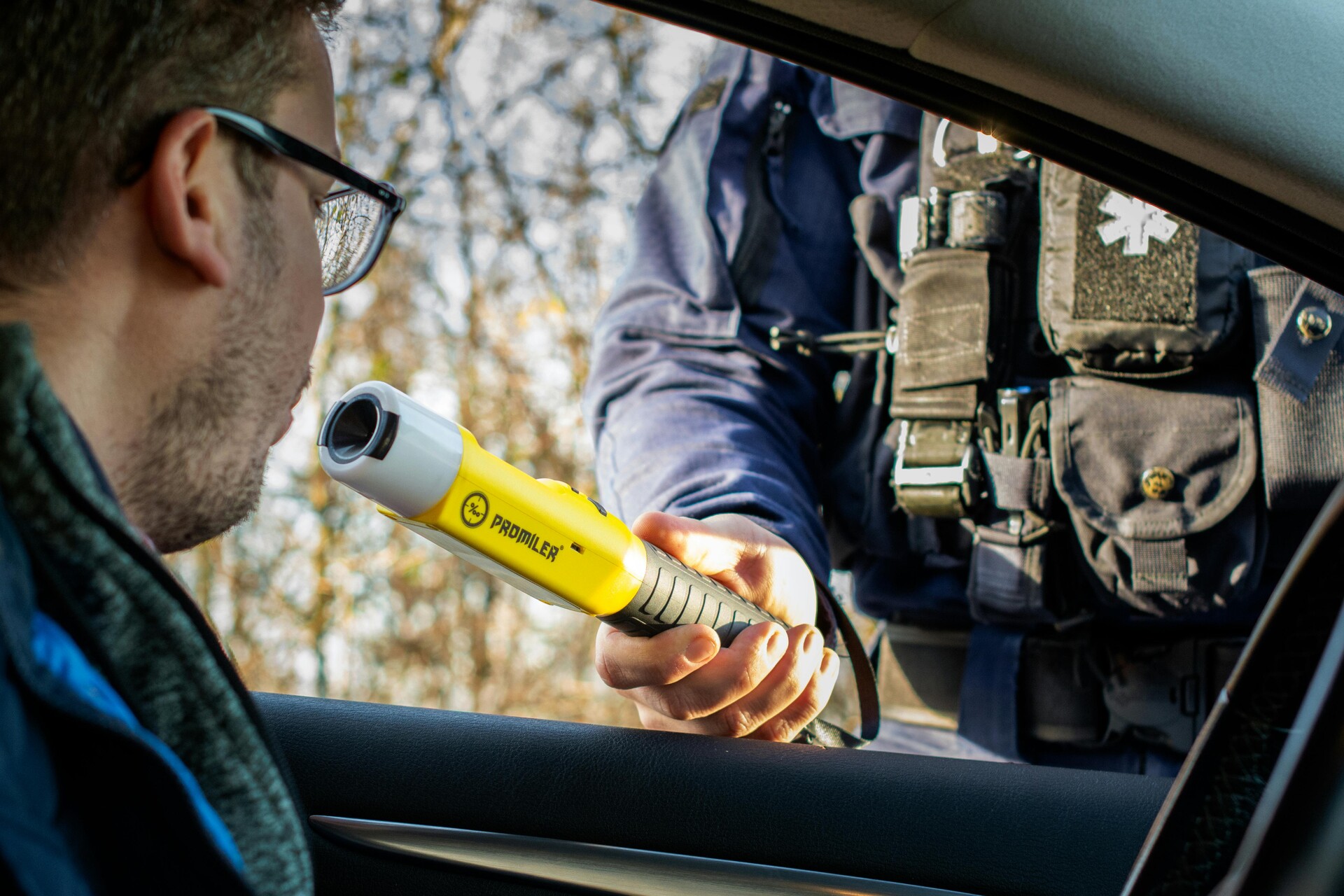
Expert testimony can be critical in challenging the prosecution’s evidence—often leading to reduced charges, case dismissals, or acquittals. While this adds to your defense costs, the investment can save you significantly in long-term penalties, fines, and license consequences.
- Toxicologists: $1,500–$5,000 to analyze blood or breath test results
- Field Sobriety Test Experts: $1,200–$3,000 to evaluate roadside testing procedures
- Accident Reconstruction Specialists: $3,000–$8,000 in serious crash-related DWIs
- Medical Experts: $2,000–$6,000 for defenses involving health conditions
💡 A 2021 SEAK, Inc. survey reported median expert witness fees of $500/hour for testimony, $400/hour for prep, and $475/hour for depositions - helping explain the additional costs in complex DWI defense.
✔️ We’ll help determine whether expert involvement is necessary in your case and guide you on the potential costs and benefits based on your unique situation.
Additional reading: DWI Lawyer Weatherford
Contact UsOur firm has handled more than 6,000 criminal cases and secured over 1,000 dismissals—proof of our commitment to effective DWI defense. Call us at (972) 528-0481 or visit our contact page to schedule your free case review.
Average Cost of a DWI Lawyer in Texas
DWI lawyer fees in Texas can vary widely based on the details of your case and the level of defense you need.Typical Cost Range for First Offense DWI
For a standard first-offense DWI in Texas, you can expect to pay:- $2,500-$5,000: Basic representation through plea negotiations
- $5,000-$7,500: Thorough investigation and pretrial motions
- $7,500-$15,000+: Complete representation through trial
The actual cost can vary based on factors such as the complexity of the case, the attorney's experience, and the specific circumstances involved.
✔️We offer comprehensive defense strategies at competitive rates, with payment plans available to accommodate our clients' financial situations.
Cost for Repeat Offenders and Felony DWI Cases
Repeat offenses and felony DWI cases come with higher legal fees:- Second DWI Offense: $5,000-$10,000 pretrial, $10,000-$20,000 through trial
- Third or Subsequent DWI (felony): $7,500-$15,000 pretrial, $15,000-$30,000+ through trial
- DWI with Injury: $10,000-$20,000 pretrial, $20,000-$40,000+ through trial
- Intoxication Manslaughter: $15,000-$30,000 pretrial, $30,000-$75,000+ through trial
Estimated Costs for Going to Trial
Taking a DWI case to trial substantially increases legal costs:- Jury Selection: Extensive preparation and typically 1-2 full days in court
- Trial Preparation: Motion practice, witness preparation, exhibit creation
- Trial Duration: Most DWI trials last 2-5 days
- Expert Coordination: Managing expert witnesses and their testimony
Contact UsWant a personalized quote based on your case? Contact us here to discuss DWI defense costs with our team.
Cost Comparison: Flat Fee vs. Hourly Fee DWI Lawyers
Pros and Cons of Each Billing Structure
💡 At our firm, we structure billing to suit your case and financial situation. While we primarily use hourly billing, flat fees may be available for specific stages of your DWI case.| Billing structure | ✔️ Advantages | ⚠️ Disadvantages |
|---|---|---|
| Flat fee | Predictable total cost No surprise bills Easier budgeting Risk of complexity absorbed by attorney | May pay more if case resolves quickly Risk of rushed work if fee is too low Extra fees may apply for appeals or separate hearings |
| Hourly fee | Pay only for actual work Transparent billing with breakdowns May cost less for simple cases | Total cost can be unpredictable Fees may accumulate quickly Requires substantial retainer upfront |
Typical flat fee breakdown in Texas
Most DWI firms (including ours, in qualifying cases) offer flat fees by stage:- Case analysis & investigation: $1,500–$3,000
- Pretrial motions & ALR hearing: $1,500–$2,500
- Plea negotiation: $1,000–$2,000
- Trial preparation: $2,500–$5,000
- Trial representation: $3,500–$7,500+
When an hourly fee may be better
Hourly billing may be more appropriate when:- Your case is unusually complex or involves multiple charges
- You’re a high-profile defendant who needs extended access to your attorney
- Your case spans multiple jurisdictions or includes federal charges
- A flat fee would be prohibitively high for the level of effort required
Contact UsWe’ll help you decide whether a flat or hourly rate works best based on your charges and defense needs. Speak to our Arlington DWI lawyer to discuss your options.
Additional Costs Beyond Attorney Fees
Aside from legal representation, a DWI conviction in Texas often comes with financial penalties, required programs, and administrative costs. Here’s what some of these common items mean:
- Court fines: Penalties imposed by the judge based on the DWI offense level.
- Court costs: Administrative fees for processing your case.
- DWI surcharge: Previously charged under the Driver Responsibility Program (now repealed, but still relevant in older cases).
- Ignition interlock: A breathalyzer device installed in your vehicle that prevents it from starting if alcohol is detected.
- Probation costs: Monthly fees and required programs for those not serving jail time.
- DWI education/intervention programs: State-mandated classes to help prevent repeat offenses.
- Victim Impact Panel: A one-time session where victims of impaired driving share their stories.
- SR-22 insurance: A special type of car insurance required after a DWI, with higher premiums and additional fees.
Financial Penalties and Requirements
| Cost Category | Description | Typical Cost Range |
|---|---|---|
| Court Fines | First-time DWI | Up to $2,000 ($4,000 with BAC > .15) |
| Second DWI | Up to $4,000 | |
| Third or subsequent DWI | Up to $10,000 | |
| Court Costs | Administrative fees | $300-$700 depending on county |
| DWI Surcharge | Driver Responsibility Program | $1,000-$2,000 annually for three years |
| Ignition Interlock | Installation | $70-$150 |
| Monthly lease | $70-$100 | |
| Maintenance/calibration | $60-$90 every 30-60 days | |
| Removal | $50-$100 | |
| Total interlock costs (1 year) | $1,200-$1,800 | |
| Probation Costs | Monthly supervision fees | $60-$100 |
| DWI Education Program | $70-$200 | |
| DWI Intervention Program | $150-$300 | |
| Victim Impact Panel | $25-$50 | |
| Substance abuse evaluation | $75-$150 | |
| Random drug/alcohol testing | $15-$30 per test | |
| Total probation costs | $1,500-$3,500 over probation term | |
| SR-22 Insurance | Filing fee | $15-$50 |
| Insurance premium increases | 40%-200% for 3-5 years | |
| Total additional insurance costs | $3,000-$10,000+ over three years |
Do Texas DWI Lawyers Offer Payment Plans?
Typical Payment Plan Options
At the Law Offices of Richard C. McConathy, we understand that legal expenses can be significant. To assist our clients, we offer flexible payment arrangements, including:
- Initial Consultation: Free of charge.
- Down Payment: Typically 40–50% of the agreed-upon fee.
- Installment Plans: Monthly payments for the remaining balance.
- Phase-Based Payments: Fees paid as each phase of the case begins.
✔️Our goal is to provide quality representation without causing undue financial hardship.
Credit Card Payments and Financing Options
We offer multiple payment methods to accommodate our clients' needs:
- Credit Card Payments: All major credit cards accepted.
- Third-Party Financing: Options available through companies like LawPay.
- Payment Scheduling: Automatic payments can be scheduled to align with your pay periods.
💡 Discount for Upfront Payments: We offer discounted rates for clients who choose to pay in full at the start of representation, potentially saving 5–10% off standard fees.
What to Ask Before Signing a Representation Agreement
Before hiring any DWI attorney, ask these critical questions about fees:- "What is included in your quoted fee?"
- "Are there circumstances requiring additional fees?"
- "How are expert witness costs handled?"
- "What payment plans are available?"
- "Are there additional costs for trial?"
- "Do you offer refunds for early dismissals?"

Is It Worth Paying for a Top DWI Lawyer?
Potential Savings in Penalties and Jail Time
⚠️Consider what's at stake in a DWI case:- Jail time: 3-180 days for first offense, up to 10 years for felony DWI
- Lost wages: $5,000-$50,000+ if incarcerated or license suspended
- Career impact: Job loss or limitations in certain fields
- Long-term financial effects: Reduced earning potential with a criminal record
How a Skilled Lawyer Can Beat or Reduce Charges
Our skilled DWI attorneys can employ numerous strategies:- Challenging traffic stop legality
- Contesting field sobriety test administration
- Questioning breath or blood test accuracy
- Negotiating for reduced charges
- Pursuing pretrial diversion programs
Why "Cheaper" Isn't Always Better
Opting for the lowest-cost attorney can be costly in the long run:- Less thorough case investigation
- Limited motion practice
- Higher caseloads meaning less time for your case
- Less experience with local courts
- Fewer resources for expert witnesses
Hypothetical scenario: Paying more now could save you later
Imagine you're facing a first-offense DWI. You speak with two attorneys:
- Attorney A charges $2,000 but offers a quick plea deal with minimal review.
- Attorney B charges $5,000, investigates the traffic stop, files suppression motions, and works toward a dismissal.
✔️ Outcome with Attorney A: You plead guilty, pay $4,000 in fines and court costs, lose your license, and spend $6,000+ over 3 years in higher insurance premiums—totaling over $12,000.
✔️ Outcome with Attorney B: The case is dismissed. You pay the $5,000 fee but avoid all other costs—a potential saving of $7,000 or more.
💡 A higher upfront investment can protect your record, license, and finances in the long run.
Contact UsDon’t risk your future on cut-rate defense. Our seasoned DWI team combines deep legal knowledge, local court insight, and the resources to fight for the best outcome possible. Contact us today to see how we can help.
Tips for Choosing the Right DWI Lawyer in Texas
Board Certification Matters
Richard "Tex" McConathy was a Board Certified Criminal Law Specialist by the Texas Board of Legal Specialization. This certification requires:- Extensive criminal law experience
- Significant trial experience
- Peer recommendations
- Passing a rigorous specialty examination
Client Reviews and Case Results
When evaluating potential attorneys:- Review success stories specific to DWI cases
- Look for dismissals and reductions, not just "favorable outcomes"
- Check independent review platforms
- Ask about cases similar to yours
Our firm has secured over 1,000 case dismissals across the Dallas–Fort Worth area. Here are a few recent examples:
- DWI 2nd offense reduced to DWI 1st – Collin County, Case No. 001-87157-2016
- DWI dismissed, refiled as Obstruction of a Highway – Dallas County, Case No. MA1313884
- DWI dismissed – Collin County, Case No. 022-83661-2016
Experience with Local Prosecutors and Judges
Local knowledge creates significant advantages:- Understanding judicial tendencies on evidence and sentencing
- Established relationships with prosecutors
- Familiarity with local court procedures
- Knowledge of effective strategies in specific courts
Transparency About Fees
A reputable DWI attorney will:- Provide a clear, written fee agreement
- Explain what is and isn't included in the quoted fee
- Outline payment options
- Discuss potential additional costs upfront
- Avoid pressuring tactics

Contact Our Experienced Texas DWI Lawyers Today
At the Law Offices of Richard C. McConathy, we offer experienced, aggressive defense at competitive rates with flexible payment options. Our team's 35+ years of experience and record of over 1,000 case dismissals demonstrate our commitment to achieving the best possible outcomes. Don't risk your future by facing DWI charges alone.Contact UsContact us today at (972) 597-2037 to schedule your free consultation with a DWI Lawyer. We'll review your case, explain your options, and discuss payment arrangements that work for your situation.