A DWI arrest in Texas is serious, and the consequences can be life-changing. If you're charged with DWI, you could face steep fines, potential jail time, driver's license suspension, and mandatory ignition interlock devices (IIDs)—even for a misdemeanor DWI charge.
The cost in Texas for a DWI conviction can add up to thousands of dollars in fines, court fees, and increased insurance rates. Texas, especially Irving, sees DWI cases all over Texas, with law enforcement cracking down on impaired driving.
Whether it's a first-time misdemeanor in Texas or a felony DWI, the penalties become more severe with each offense.
If you've been convicted of a DWI or are facing charges, it's necessary to hire our experienced criminal defense attorney who understands DWI law. At our law firm in Irving, TX, we are ready to help you fight and face DWI charges.
Don't Delay in Consulting Our Irving DWI Lawyers to Protect Your Rights
If you've been arrested for DWI, the clock is ticking. In Texas, you have just 15 days from the date of your arrest to request an Administrative License Revocation (ALR) hearing. Failing to do so means automatically losing your driver's license for 90 days or more.
This hearing is necessary to challenge the suspension of your license and potentially prevent it from being revoked. Without immediate action, your chances of securing a favorable outcome are significantly reduced.
Here's how we can help:
- Advise on Rights and Next Steps: Many individuals make critical mistakes after a DWI arrest, like missing deadlines or failing to understand their rights fully. We ensure you are fully informed about your options so you can make the best decisions moving forward.
- Gather Evidence Quickly: Time is of the essence. Our team moves fast to collect evidence, such as dashcam footage, witness statements, and breathalyzer test results. This evidence can be pivotal in building a strong defense for your case.
- Provide Strategic Legal Advice: Every DWI case is different. Our attorneys provide tailored legal advice designed to help you achieve the best possible outcome. Whether it's negotiating a plea deal or preparing for trial, we work diligently to protect your future.
Our experienced Irving criminal defense lawyers are here to guide you through this critical process.
What to Do After a DWI Arrest in Irving
The stakes are high when facing a criminal charge like DWI. If convicted, you could face fines, license suspension, and a permanent criminal conviction.
Here are some things you can do after a DWI in Texas:
- Exercise Your Right to Remain Silent. Anything you say can be used against you in court. For example, even a simple admission like "I had a couple of drinks" can be used to support the DWI charge in Texas. Keep quiet until our criminal defense attorney arrives.
- Request Legal Representation Immediately. The sooner you contact our criminal defense lawyer, the better. Our qualified attorney will guide you through the legal process and fight for the best outcome. Don't wait—schedule a free consultation now to protect your rights.
- Preserve Evidence and Details. Document everything. Note the time of your arrest, any witnesses, and the specifics of the traffic stop. Was there reasonable suspicion or probable cause for the stop? Were you asked to take field sobriety tests or a blood test? These details are key in defending your case, especially for first-time DWI offenders.
How Our Irving DWI Attorneys Can Help
Facing a DWI charge in Irving can be overwhelming, but the right legal defense can make a difference. Our experienced criminal defense attorneys work to protect your rights, challenge the evidence, and fight for the best possible outcome in your case.
- Immediate Legal Guidance: Our attorneys are ready to help when you're arrested. You can avoid making statements that might hurt your case by getting legal advice right away. For example, if you tell the officer you had "just a couple of drinks," that could be used against you in court. Early intervention changes the outcome—let us guide you from the start.
- Protecting Your Rights: We make sure your rights are protected throughout the process. Whether it's your right to remain silent or your right to a fair trial, we ensure that due process is followed. You're entitled to a fair defense, and we're here to make sure you get it.
- Thorough Case Assessment: We dig deep into the details of your case. This means reviewing evidence, police reports, and the methods used in any sobriety tests or blood tests. DWI testing isn't foolproof—there are often errors that can be challenged. If the field sobriety tests weren't done correctly or the blood test was mishandled, it could mean the difference between being convicted of DWI or having your charge dismissed.
- Defense Strategy Development: Every case is unique, and we build a defense strategy based on the specifics of your situation. For example, if the officer didn't have probable cause to pull you over or the sobriety tests weren't administered correctly, those could be key defenses. We'll craft the right strategy based on the circumstances to fight for the best outcome.
- Court Representation & Negotiations: Whether you want to fight the charges or negotiate for reduced penalties, we're ready. We can help secure a charge dismissed or get a plea deal to avoid serious consequences, like a class A misdemeanor or a year in jail. Negotiation strategies are essential, and our experience helps us achieve favorable results with the prosecutor.
At our law offices, we're committed to protecting your rights and fighting for your future.
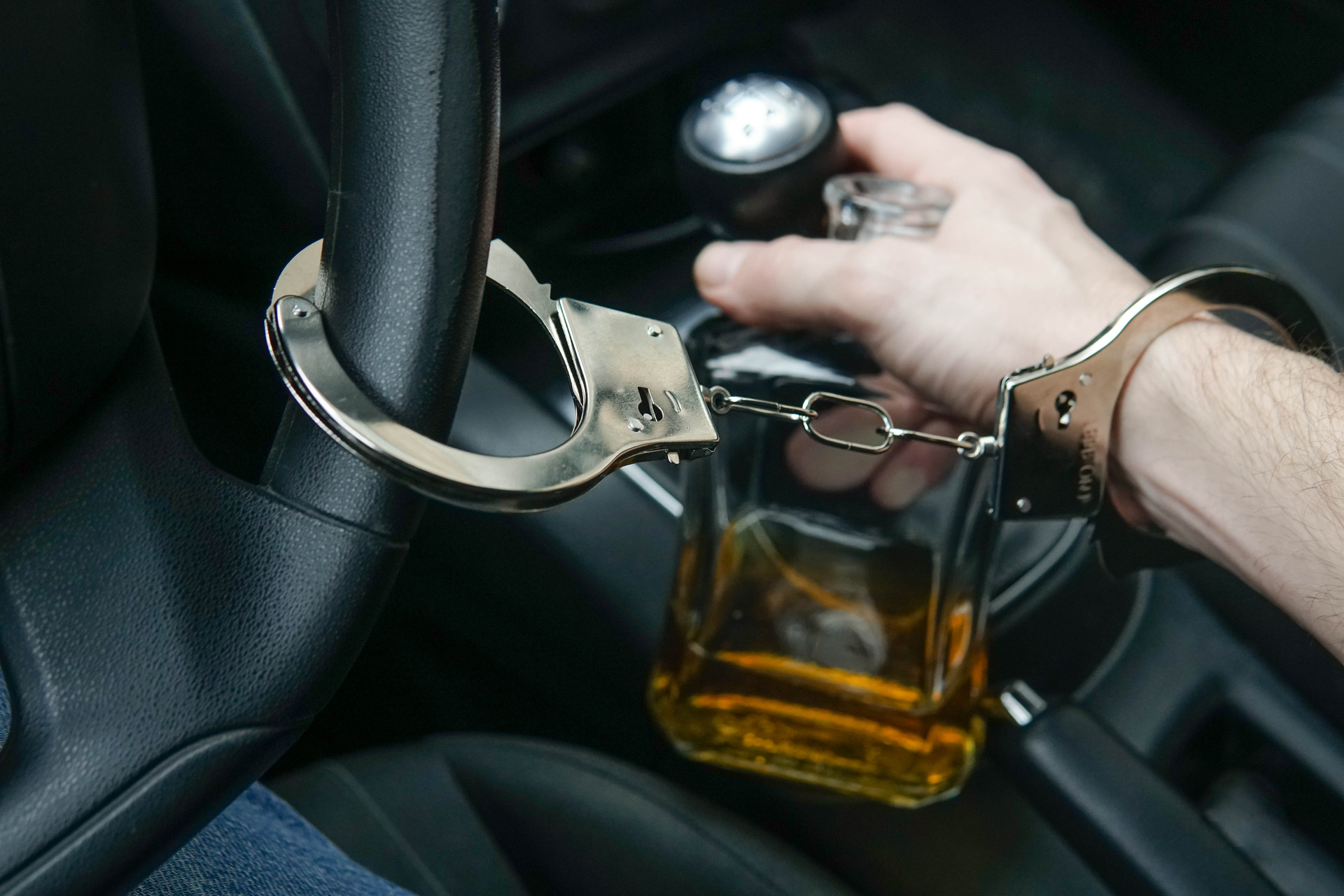
Schedule a free consultation today to get started on your defense.
Why Choose Our Irving DWI Lawyer?
Did you get a DWI? Here's why our team is the right choice to guide you through this challenging time:
Local Expertise: We know Irving inside and out. Our team is familiar with local courts, judges, and law enforcement, which gives us an edge when building your case. This local knowledge allows us to anticipate challenges and develop a defense strategy that's tailored to the area.
Commitment to Client Success: We're dedicated to getting the best outcome for you. Our focus is on protecting your future and achieving favorable results—whether that's getting a charge dismissed or negotiating for reduced penalties. Clients consistently appreciate our proactive, client-centered approach. As one client said, "I highly recommend this team—they were with me every step of the way and fought for the best possible outcome."
Serving the Following Areas:
- Irving
- Dallas
- Collin
- Denton
- Parker
- Tarrant
💡 Safety First: Always buckle up, stay focused on the road, and don't rush your decisions—take your time and drive with caution.
Types of DWI Offenses We Handle in Irving
Here's a look at the types of DWI offenses we handle:
- First, Second, and Subsequent Offenses: A first DWI may lead to fines, license suspension, and possible jail time. Second offenses are harsher, and subsequent offenses can result in felony charges. No matter the offense, we'll help you challenge the evidence to get your DWI charge dismissed or reduce penalties.
- Aggravated & Felony DWI: If your DWI involves a high BAC or a child passenger, you may face aggravated DWI or felony charges, which carry severe penalties. Our experienced DWI attorney will work to build the best defense and protect your future.
- DWI with a Minor Passenger: Facing a DWI with a minor passenger? The penalties are tougher. We'll challenge these charges and fight for the best possible outcome, especially for a first criminal charge.
- Boating While Intoxicated (BWI): A BWI charge has similar penalties to a DWI but on water. We'll defend your rights and work to reduce or dismiss the charges.
- Commercial Vehicle DWI: A commercial vehicle DWI can cost you your job. We fight hard to protect your CDL and avoid severe consequences like class B misdemeanor DWI.
- Intoxication Assault & Manslaughter: These are serious charges involving injury or death. We'll carefully investigate your case to build a solid defense, aiming to minimize the penalties you face.
- Drug-Related DWI: If you're facing a drug-related DWI, we'll scrutinize testing methods and evidence to ensure fair treatment and work toward a favorable outcome.
- Underage DWI: Texas has zero tolerance for underage DWI. If you're a minor facing these charges, we'll help reduce penalties and protect your future.
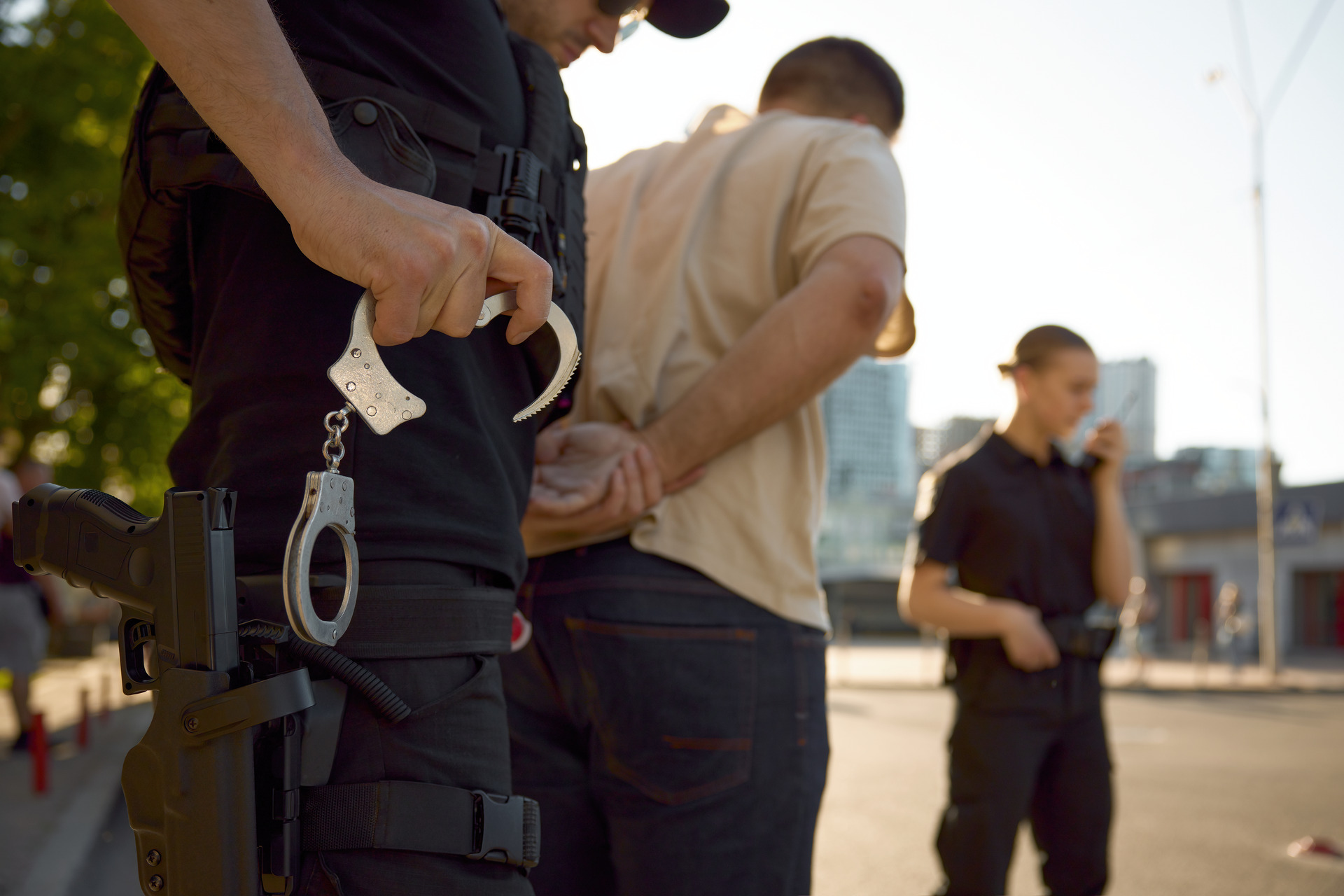
What Is a DWI? Understanding DWI Charges in Irving
A DWI (Driving While Intoxicated) charge in Irving can have serious consequences. Here's what you need to know:
- Legal BAC Limits: In Texas, the legal BAC (blood alcohol concentration) limit for most drivers is 0.08%. However, for commercial drivers, the limit is stricter at 0.04%. If you're under 21, any detectable alcohol in your system can result in a DWI charge. Have you ever thought about how easily you can exceed these limits, even after just one or two drinks?
- Potential Penalties: If convicted, you face a range of penalties, including fines up to $2,000 for a first offense, license suspension, and possible jail time. Repeat offenses bring harsher consequences, including longer license suspensions and larger fines. Could you afford to lose your license for months or even years? How would that impact your daily life and responsibilities?
- Long-Term Impacts: A DWI conviction can affect more than just your immediate freedom. It can harm your employment opportunities, especially if your job involves driving. The criminal record may also limit future opportunities, including loans, housing, or even certain professional licenses.
Are you prepared for how this conviction could follow you for years to come?
⚠️ If you receive a DUI citation, don't accept any penalties without consulting a lawyer first. Agreeing to penalties could waive your rights. Call our DWI defense lawyer today to protect your future with expert legal guidance.
Texas DWI FAQ
What is DWI?
DWI is a criminal offense that says a person may not drive a motor vehicle in a public place while “intoxicated.” The DWI statute does not say driving while drunk or “drunk driving.”
What is the legal definition of intoxication?
The legal definition of intoxication in Texas is:
- Having an alcohol concentration of 0.08 or more
- Not having the normal use of physical faculties by reason of the introduction of alcohol, a controlled substance, a drug, a dangerous drug, a combination of two or more of those substances, or any other substances into the body.
- Not having the normal use of mental faculties by reason of the introduction of alcohol, a controlled substance, a drug, a dangerous drug, a combination of two or more of those substances, or any other substances into the body
What does ‘normal’ mean?
According to the law, the definition of the word normal is the average person. The problem is how do we determine the average person? The law is vague in this subject, which lends itself for good argument to a jury that everyone is different and each has his own normal.
What is 0.08-alcohol concentration?
“Alcohol concentration” is defined by statute as: a. the number of grams of alcohol per 100 milliliters of blood; b. the number of grams of alcohol per 210 liters of breath; or c. the number of grams of alcohol per 67 milliliters of urine. A 0.02 equals one drink. A drink is 1-¼ ounces of liquor, 1 12oz beer, or 1 glass of wine. It takes one hour for the body to burn off a 0.02 down to a 0.00. Thus, to reach a 0.08 a person must consume four drinks in one hour.
Am I required to answer any questions, take Field Sobriety Tests, or take a breath test?
Under criminal law, you are not required to perform any type of test or answer any questions to the police officer. You have the right to refuse any tests and request an attorney. However, if you refuse to attempt these tests, the officer most likely is going to arrest you. Further, the civil law, which your driver’s license falls under, does not protect you. In fact, when you applied for your driver’s license you unknowingly consented to any future tests, if to which you refused you would lose your driver’s license for a period of six months. The decision is yours and there is a civil risk (your license), but you do have rights, and should not waive them. Always request your lawyer and don’t cooperate with anything if you wish to exercise your rights.
Does a person have a choice to refuse being videotaped?
No. However, although a person has no right to refuse being videotaped, he does have the right to refuse to perform any police field sobriety exercises and to refuse to answer any questions, the answers to which, might be incriminating. Unlike breath or blood test refusals, there are no penalties for refusing to perform field sobriety tests or refusing to answer questions while being videotaped.
Are Field Sobriety Tests very accurate?
If performed in a controlled environment in the exact proscribed standardized manner, the tests can be a likely indicator of intoxication. This is hardly done in the street. The research conducted by the National Highway Traffic Safety Administration, the designers of the tests, concluded the Horizontal Gaze Nystagmus is 77% accurate, the Walk & Turn is 68% accurate, and the One Leg Stand is 65% accurate only when administered in the prescribed, standardized manner. Any change from the standardized manner will compromise the tests validity and make any result inaccurate. When not conducted properly it becomes an opinion test of the officer. Therefore, these tests will inaccurately claim 23% – 35% of the people tested as intoxicated. Which when done incorrectly, which is the norm, can drop the accuracy to a frightening level.
What can affect my performance on Field Sobriety Tests?
Even SOBER persons can have difficulty with these tests, as stated by The National Highway Traffic Safety Administration. The reason is as the NHTSA has admitted, are several factors that affect every person, such as:
- Age
- Being ill
- The distraction of traffic
- The police car’s strobe lights
- Fatigued
- Footwear
- Lack of coordination
- Gusts of wind
- Weight
- Road or sidewalk conditions
- Allergies
- Scared
- Head lights of traffic
- Weather conditions
- Being nervousness
- Back problems
- Leg or knee problems
- Inner ear disorders
What is the State’s burden of proof to prove me guilty?
The State of Texas must prove your guilt “beyond a reasonable doubt”, which is the highest burden of proof in the justice system. It is not defined, by Texas law, but can be easily explained to a jury.
The lowest burden of proof is probable cause. That is how an officer can start an arrest.
The next highest burden of proof is preponderance of the evidence. This is the amount of proof needed in civil courtrooms involving civil suites. A preponderance of the evidence is proof amounting to 51% or who can move the scales of justice. The next highest burden of proof is clear and convincing evidence. This is amount of proof that will cause a juror or judge to have a “firm belief” in the matter to be proved. This is used in custody cases. Most juries when they hear that the burden of proof is higher than that to take their kids away from them understand the high level of proof. Beyond a Reasonable Doubt is the highest burden of proof. A jury must have more than that necessary to take your kids away in evidence that you were intoxicated before they could find you guilty. This is very simple, if a juror has a single doubt, based on reason, as to a person being intoxicated, they must follow the law and find them not guilty.
Do I have the right to an attorney before deciding whether to take a breath or blood test?
Texas law does not give you the right to speak with an attorney prior to making the decision of whether or not to take the field sobriety tests, the breath test or blood test. However, the law does not require you to perform any field sobriety tests or to take a blood or breath test so continue to ask for an attorney and refuse to cooperate and the likely chances of being found NOT GUILTY can increase!
How long will a DWI arrest stay on my record?
If you are convicted of the DWI, it will be on your record for life. Furthermore, a DWI conviction can be used for ten years to enhance your punishment of you are arrested for DWI again. If you are found Not Guilty, you can have the arrest and DWI charge “expunged” from your record.
Additional Resources:
Contact Our Irving DWI Attorneys Today!
Time is critical after a DWI arrest. Waiting to take action can lead to license suspension, stronger prosecution, and fewer defense options.
Our experienced Irving DWI attorneys are ready to protect your rights and fight for the best possible outcome to beat a DWI charge. We offer a free consultation to discuss your case.
Contact our attorney in Texas today:
Phone: (972) 597-2037
Contact Page: Fill out our free consultation form on our contact page.
Email: